Paper Boat Embroidery Design Review for Small Business
As an embroidery designer who has spent years translating digital files into tangible brand assets, I approach every new design with a critical eye. When I first opened the Paper Boat file to evaluate it for my client's upcoming merchandise line, I was immediately struck by its potential. The description promises a whimsical and playful touch, but in the world of commercial embroidery, "whimsical" must translate to "professional." This review breaks down how this specific machine embroidery design performs when moved from a screen to real-world applications like branded patches, staff uniforms, and boutique merchandise.
First Impressions: Visual Personality and Brand Fit
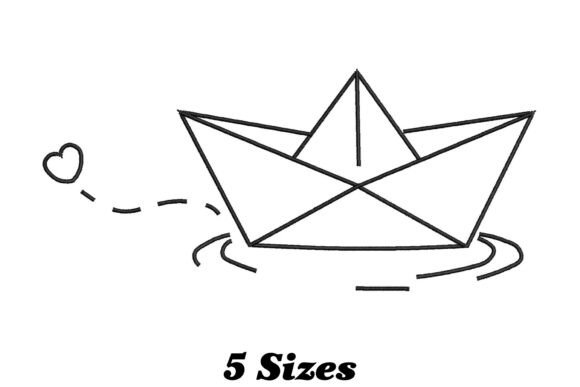
The Paper Boat design exudes a sense of nostalgia and simplicity. Unlike complex, high-density logos that can feel corporate or stiff, this design feels organic and handmade. For small business owners targeting a younger demographic or those selling lifestyle products, this visual personality is a significant asset. It suggests creativity, ease, and a human touch. However, the challenge lies in ensuring that this playfulness does not undermine the professionalism required for staff uniforms or premium product labels.
When considering your brand identity, ask yourself if the imagery of a boat aligns with your narrative. For a café named "The Harbor," a bakery called "Sailor's Crumb," or a children's boutique, this design is a natural fit. It serves as an excellent accent piece rather than a dominant logo. In the context of the Toys category, where this design is often categorized, it works beautifully on packaging or as a subtle mark on plush items. Yet, its versatility extends far beyond toys into the realm of general custom apparel.
Real-World Applications for Merchandise and Patches
The true test of any embroidery file is its performance across different substrates. Here is how Paper Boat translates into specific business use cases:
- Embroidered Patches: This design is ideal for creating iron-on or sew-on patches. Because the lines are generally clean and the shape is distinct, it holds up well when backed with felt or twill. These patches can be sold as standalone collectibles or used to add value to tote bags and denim jackets.
- Staff Uniforms and Aprons: For a local bakery or florist, placing a small apron embroidery version of the Paper Boat on the chest pocket creates a charming uniform detail. It avoids the clutter of large back prints while maintaining visual consistency across the team.
- Cap Embroidery: On curved surfaces like cap fronts, simple shapes win. The Paper Boat design fits perfectly within a standard 3-inch hoop area without distortion. It offers a subtle branding element that looks premium compared to screen printing.
- Tote Bag Design: A tote bag design featuring this motif appeals to eco-conscious consumers. Whether stitched directly onto canvas or applied as a patch, it elevates a basic utility item into a branded accessory.
- Product Packaging Accents: Even if you do not embroider the final product, using a printable mockup of the Paper Boat design on tags, hangtags, or boxes reinforces the handmade aesthetic of your brand.
Critical Considerations for Production
While the concept is strong, practical execution requires careful planning. As a designer, I advise against using this file blindly. There are specific scenarios where Paper Boat needs careful handling to ensure a high-quality finished product.
Size and Detail Constraints
One of the biggest risks with whimsical designs is scaling them too small. If you attempt to stitch this as a tiny logo on a shirt cuff or a pen, the details may get lost. The stitch density might become too high for the available space, leading to puckering or thread breakage. Always check the minimum recommended size before committing to production. For cap embroidery, ensure the boat's sails remain legible; if they turn into a solid blob of thread, the design fails its purpose.
Fabric Texture and Stabilizer Use
The success of this design heavily depends on the fabric texture. On smooth cotton or twill, the Paper Boat will look crisp. However, on textured fabrics like heavy fleece, terry cloth (towels), or knit polos, the outline might waver. You must use the proper stabilizer—likely a cut-away for knits and a tear-away for wovens—to support the stitches. Without adequate backing, the delicate curves of the boat could distort, ruining the professional look of your small business merch.
Thread Color Contrast
The description mentions adding a playful touch, which often implies color. However, for commercial embroidery, contrast is king. Test the design in black and white first. Does the silhouette hold up? If you plan to use multiple thread colors, ensure there is enough spacing between color changes to prevent tangling. High stitch density in tight areas can cause thread buildup, making the design look muddy rather than vibrant.
Impact on Brand Trust and Customer Engagement
In the competitive landscape of Etsy sellers and handmade brands, the quality of your design assets directly influences customer trust. A poorly executed embroidery job signals low quality. Conversely, a well-stitched Paper Boat design on a premium tote bag or a neatly embroidered patch on a uniform signals attention to detail. It tells the customer that you care about the presentation of your product.
This design enhances buyer engagement by offering a unique visual hook. It stands out against the sea of generic text logos. When customers see a consistent, high-quality motif across your website mockups, social media photos, and physical products, it builds recognition. This visual consistency is crucial for transforming a one-time buyer into a loyal advocate for your brand.
Designer Checklist Before Commercial Use
Before you purchase the digital embroidery file or begin stitching your first batch, run through this essential checklist:
- Verify Licensing: Confirm that the license allows for commercial embroidery and the sale of finished goods. Some free or personal-use files restrict business applications.
- Test Stitching: Never skip the test run. Hoop the design on a scrap piece of the actual fabric you intend to use. Check for pulling, shifting, or thread breaks.
- Check Hoop Size: Ensure your machine's hoop size accommodates the design dimensions comfortably. You do not want to stretch the fabric to force the design into a smaller hoop.
- Create a Mockup: Generate a printable mockup to show clients or stakeholders how the design looks on the final product. This manages expectations before money is spent on materials.
- Review Spacing: Inspect the digitization to ensure there is adequate spacing between letters (if included) and design elements to prevent thread bunching.
The Paper Boat embroidery design offers a delightful opportunity for businesses looking to inject character into their brand. By respecting the technical requirements of machine embroidery and applying the design thoughtfully, you can create memorable handmade products that resonate with customers. Whether it is a patch on a jacket, a logo on a cap, or an accent on a towel, this design has the potential to sail smoothly into your product lineup if handled with professional care.