Charming Rose: A Designer's Real-World Review
As a designer who has spent years navigating the delicate balance between digital files and physical thread, I approach every new machine embroidery design with a critical eye. We are not just looking for pretty pixels; we are looking for how those pixels translate into stitches that hold up under wear, washing, and customer scrutiny. Today, I am evaluating Charming Rose, a design categorized under Single Flowers. The promise is to transform fabrics with flair, adding a playful accent to t-shirts, towels, or home decor. But does it deliver in the trenches of a real craft business?
The First Impression: Mood and Visual Personality
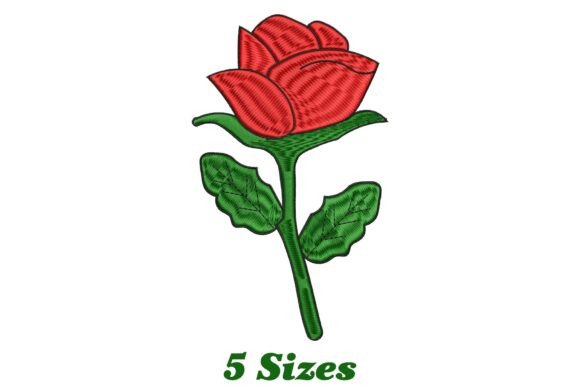
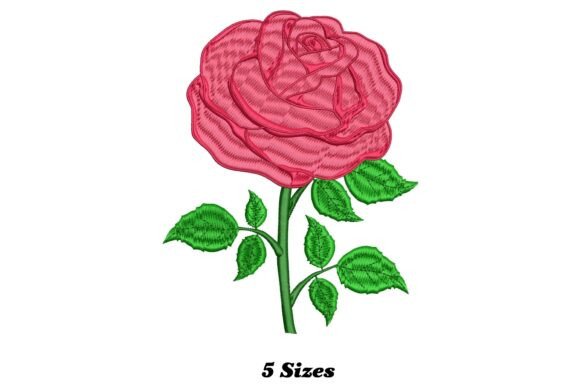
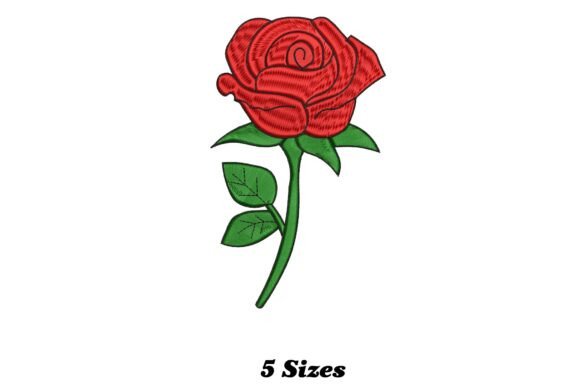
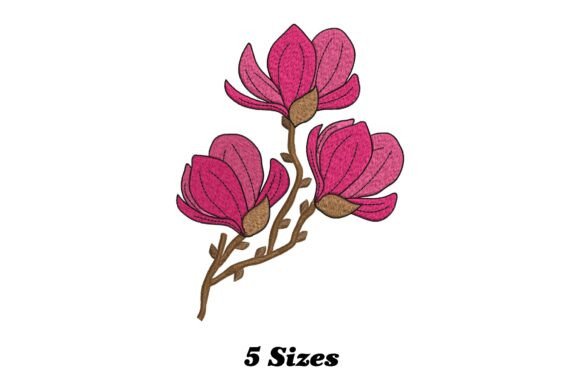
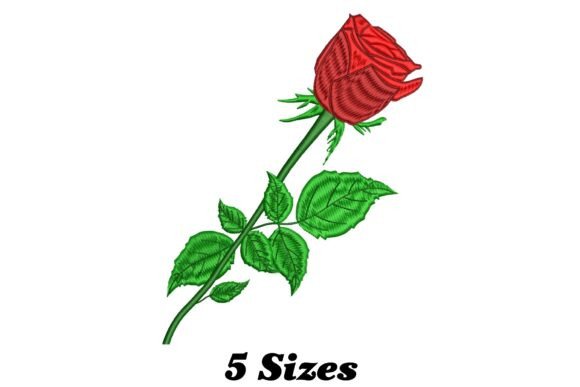
When I first loaded the embroidery file into my digitizing software, the mood was immediately apparent. This is not a hyper-realistic botanical study intended for fine art quilting. Instead, Charming Rose leans heavily into the "playful and fanciful" description provided by the creator. The lines are soft, the curves generous, and the overall silhouette suggests a design meant to be seen from a distance rather than inspected with a magnifying glass.
For an Etsy seller or boutique owner, this visual personality is a double-edged sword. On one hand, its whimsical nature makes it incredibly versatile for personalized gifts and holiday embroidery projects where a touch of charm is required. It feels like the kind of motif that would sit perfectly on a child's nursery blanket or a kitchen tea towel. However, if your brand identity relies on sharp, modern minimalism, this design might feel too busy. The layout suggests a mix of fill and outline work, which requires careful attention to stitch density to prevent puckering on lighter fabrics.
A Real-Life Scenario: The Custom Tote Bag Project
To truly understand the utility of Charming Rose, let's imagine a specific scenario. You run a small shop creating custom apparel, and a client wants a set of canvas tote bags featuring a floral theme for a local farmer's market. You decide to use this tote bag design concept.
In this context, the hoop size becomes the first practical hurdle. While the description mentions t-shirts and home decor, it does not specify the exact dimensions. As a professional, I would immediately test the design on scrap fabric at the intended scale. If the rose is too large for a standard 5x7 hoop, you risk running out of room for the stabilizer, leading to registration issues. If it is too small, the intricate details might get lost in the weave of the canvas.
Assuming the scale is correct, the stitching process reveals the true character of the design. The petals likely utilize a combination of fill stitch and perhaps some satin stitch accents to create depth. On a sturdy canvas tote, this works beautifully. The texture of the fabric supports the thread weight, allowing the rose to pop without sinking into the material. The result is a finished product that looks professional and adds immediate value to a plain canvas bag. Customers buying these at a craft fair will appreciate the tactile quality of the embroidery, seeing it as a premium upgrade over a screen print.
Navigating Fabric Challenges and Limitations
However, not every project is a heavy-duty tote bag. When considering custom apparel like thin cotton t-shirts or stretchy sweatshirts, Charming Rose requires a more cautious approach. The "fanciful" details mentioned in the description could become problematic on dark or textured fabrics if the thread colors are not chosen with high contrast in mind.
On a dark sweatshirt embroidery project, the white or light-colored threads of the rose might show the underlying fabric through the gaps in the running stitch or fill areas if the density is too low. Conversely, on a very stretchy knit, the tension of the stitches can cause the fabric to pucker around the flower, distorting the shape. In these cases, using a tear-away or cut-away stabilizer is non-negotiable. I always advise testing the design on a swatch of the actual garment fabric before committing to a full batch of orders.
Furthermore, if you are planning to use this for an embroidered patch, the back of the design needs to be clean. Some single flower designs have excessive jump stitches or loose ends that require trimming. For a commercial product sold as a patch, the backing must be secure enough to withstand ironing or sewing onto other garments. Always inspect the back of your test stitch-out to ensure there are no loose threads that could unravel after the first wash.
Commercial Viability and Brand Consistency
For the digital product sellers and creative entrepreneurs looking to expand their catalog, Charming Rose offers a solid foundation for a craft business. Its versatility allows it to fit into various niches, from baby embroidery items to wedding favors. However, consistency is key. If you are building a brand around a specific aesthetic, ensure this rose aligns with your other design assets.
Before listing items made with this design on platforms like Etsy, consider how it appears in a printable mockup. Does it look as good in black and white? Often, customers make purchasing decisions based on grayscale previews on mobile devices. If the contrast is poor in a monochrome view, the design may fail to grab attention. Additionally, check the licensing terms. Many digital embroidery files allow you to sell the finished goods but prohibit reselling the file itself. Confirming these details protects your business from legal complications down the road.
Practical Designer Notes for Success
- Test Stitch Density: Run a test on the specific fabric you plan to use. Adjust the density settings if the design looks too stiff or too sparse.
- Color Contrast Matters: For dark fabrics, choose thread colors that stand out sharply against the background to maintain the clarity of the rose petals.
- Stabilizer Selection: Do not skip the stabilizer. For stretchy knits or delicate baby clothes, a strong cut-away stabilizer ensures the design retains its shape after washing.
- Licensing Check: Verify if the design license permits commercial use for small shop products before selling any finished items.
- Mockup Verification: Create both color and black-and-white mockups to see how the design translates across different marketing channels.
Final Verdict on Charming Rose
Charming Rose is a delightful addition to any embroidery project library, provided you respect its limitations. It excels in applications where a touch of whimsy is desired, such as home decor, lightweight apparel, and personalized gifts. It is less suited for highly technical, dense, or ultra-fine detail work on difficult fabrics. By taking the time to test the embroidery file on your specific materials and ensuring proper stabilization, you can turn this simple single flower into a standout feature of your handmade products. For the savvy maker willing to put in the prep work, it offers a reliable way to add flair and professionalism to your brand.