Baby Zebra Embroidery Design Review
As a designer who has spent years navigating the delicate balance between digital files and physical thread, I approach every new machine embroidery design with a critical eye. When I first opened the file for Baby Zebra, I wasn't just looking for a cute animal; I was evaluating whether this specific asset could withstand the rigors of a real-world craft business or a personalized gift order. The Baby Animals category is saturated, so standing out requires more than just a recognizable shape. It demands stitch clarity, structural integrity, and a layout that translates well across different fabric textures.
First Impressions: Visual Weight and Mood
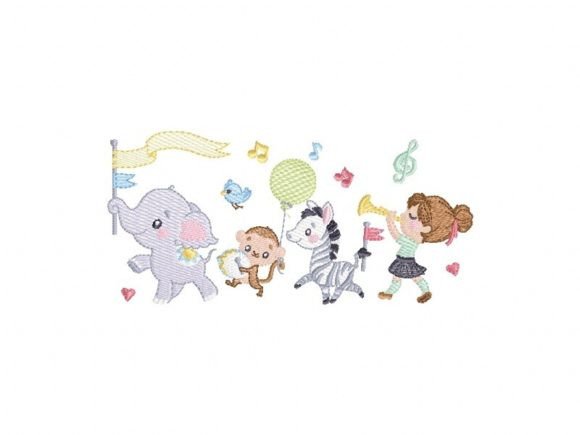
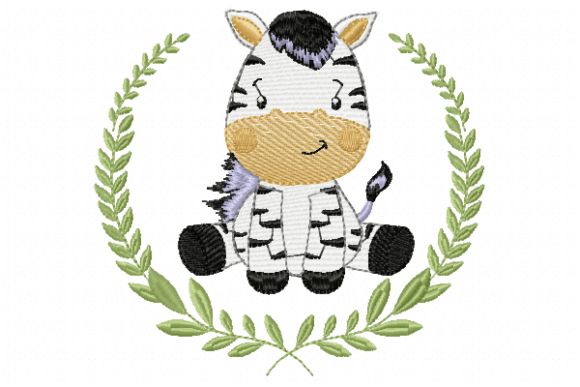
The initial visual impact of the Baby Zebra design is immediate. It captures a playful, innocent mood that fits perfectly into nursery decor or children's apparel. The silhouette is clean, avoiding the cluttered details that often plague lower-quality digital assets. What stands out most is how the stripes are rendered. In many designs, zebra stripes can become a muddy mess if the stitch density is too high or if the fill stitch angles clash. Here, the stripes appear distinct enough to be recognizable even from a distance, yet soft enough not to overwhelm the fabric.
For an Etsy seller or a small shop owner, this visual clarity is crucial. When a customer sees a mockup of a tote bag or a onesie, they need to instantly "get" the design. The Baby Zebra achieves this without needing excessive thread colors. The simplicity suggests it will stitch up quickly, which is a massive advantage when you are managing multiple orders for holiday gifts or custom apparel.
Testing the Design in Real-World Scenarios
To truly understand the value of this embroidery file, I visualized it on several potential products. Imagine a heavy cotton sweatshirt intended for a toddler. Placing the Baby Zebra on the chest area creates a focal point that feels balanced. The design does not look like a flat sticker; the use of satin stitch borders around the ears and eyes adds a necessary pop of dimension. This is exactly what elevates a handmade product from "homemade" to "boutique quality."
I also considered its application on an embroidered patch. Because the outline is defined, this design would work exceptionally well as a standalone patch sewn onto denim jackets or backpacks. The contrast between the black and white (or colored) stripes provides a natural graphic element that holds up well against textured fabrics. For those creating custom apparel, the ability to scale the design slightly without losing the integrity of the stripes is a significant plus. It allows for flexibility in sizing, whether you are working with a standard 4x4 hoop or a larger 5x7 setup.
Nursery Decor and Textile Projects
Beyond clothing, the Baby Zebra shines in home goods. Picture a linen pillow cover or a kitchen towel used as a burp cloth. The organic nature of the animal pairs beautifully with natural fibers. However, this is where the choice of stabilizer becomes critical. On a terry cloth towel, the nap of the fabric can interfere with fine details. With this design, the boldness of the stripes ensures that even if the texture of the towel slightly distorts the lines, the overall image remains clear and charming.
Technical Considerations for Professional Use
While the design looks promising, any experienced embroiderer knows that the devil is in the details. Before committing to a client project, I always recommend testing the design on scrap fabric first. Even with a well-constructed file, your specific machine tension and thread type can alter the final result. Check the stitch density carefully. If the fill is too dense, the fabric might pucker, especially on lighter materials like baby muslin. If it is too open, the backing might show through, ruining the professional finish.
Another key factor is the hoop size. Ensure that the dimensions of the Baby Zebra fit comfortably within your hoop with room to spare for the registration marks. Rushing a design into a hoop that is too tight can lead to misalignment, particularly with the alternating stripe patterns. A slight shift in registration here could make the stripes look jagged rather than flowing.
Fabric Selection and Stabilization
When using this design on stretchy fabrics like jersey knit for baby clothes, a tear-away or cut-away stabilizer is non-negotiable. The stretch of the fabric during stitching can distort the shape of the zebra. Using the right stabilizer ensures that the finished product retains its shape after washing. Similarly, on dark fabrics, the thread colors must have high coverage. If the base color of the zebra is white, ensure your top layer of fill stitch is dense enough to hide the dark background completely. Testing a swatch in black and white mockups beforehand can save you from wasting expensive thread on a failed production run.
Commercial Viability and Brand Consistency
For creative entrepreneurs building a brand, consistency is everything. The Baby Zebra design offers a level of professionalism that builds customer trust. When clients receive a personalized gift that looks crisp and well-executed, they are more likely to return for future orders. This design works well as part of a cohesive collection, perhaps paired with other Baby Animals to create a themed line for a nursery boutique.
However, before listing items made with this design on your shop, you must confirm the licensing terms. Just because a file comes in multiple formats does not automatically grant commercial rights. Always verify if you are allowed to sell the finished product or if the license is restricted to personal use only. Selling unauthorized items can damage your reputation and lead to legal issues. Once cleared, this design becomes a valuable asset in your portfolio, capable of driving engagement on social media and printable mockups.
Final Verdict for Crafters and Designers
The Baby Zebra embroidery design is a strong contender for anyone looking to expand their catalog of child-friendly motifs. It strikes a rare balance between simplicity and detail, making it versatile for various applications from custom apparel to decorative pillows. While it requires the same technical care as any other machine embroidery design—proper hooping, stabilization, and testing—it rewards the maker with a high-quality finished product that customers love.
If you are planning a holiday embroidery sale or launching a new line of baby items, this design deserves a spot in your queue. It is practical, visually appealing, and ready to be transformed into a tangible piece of art. As always, take the time to review the file specifications, test on your target fabric, and ensure your thread colors pop. With these precautions, the Baby Zebra will serve as a reliable and profitable addition to your craft business.